
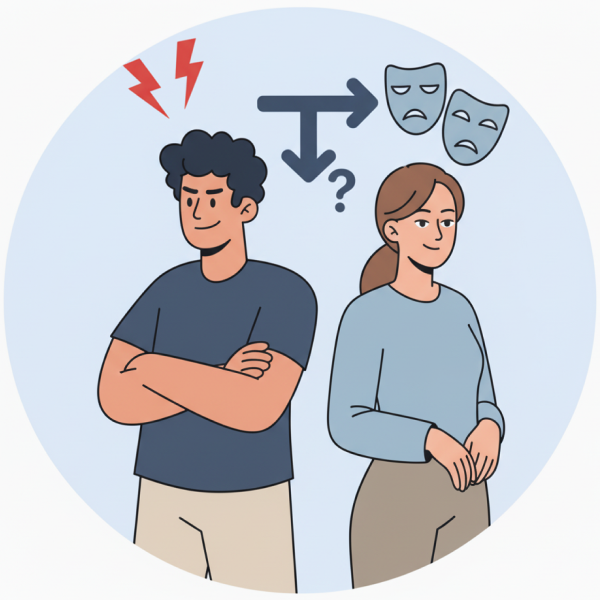
Understanding Assessments of Antisocial Traits
Public interest in antisocial personality traits has surged, and with it a wave of self-assessments promising clarity. These tools can be eye-opening when approached with humility and context, especially for readers curious about patterns like low empathy, impulsivity, or manipulation. It’s vital to remember that no single questionnaire can diagnose a mental health condition, and clinical decisions depend on thorough evaluation by qualified professionals. Treat any score as a data point, not a destiny, and reflect on how behavior shows up across relationships, work, and community life.

Interpretation is most helpful when grounded in evidence, not sensationalized headlines or fictional portrayals. In popular coverage, the term sociopath test is used as shorthand for structured questionnaires designed to surface patterns linked with antisocial traits. Quality instruments explore the frequency, intensity, and context of behaviors rather than relying on a few provocative questions. They also emphasize time frames and situational nuance, because context is critical to meaning. Another misconception is that a brief score can capture the full tapestry of a person’s character. Historically, clinicians referenced research tools such as the sociopath checklist within broader interviews and file reviews, not as stand-alone verdicts. The most responsible use of any screening is to spark informed reflection, invite feedback from trusted others, and guide you toward reputable resources. If findings raise concern, consider discussing them with a licensed clinician who can assess risk, history, and strengths more holistically.
What Test Measures
Well-built instruments are engineered to detect patterns associated with callousness, deceit, impulsivity, and disregard for norms. Items probe everyday decisions and interpersonal dynamics rather than cinematic extremes, helping users consider how choices affect trust and accountability. Consumer platforms may offer a sociopath quiz that asks about impulsivity, empathy, and rule-breaking in day‑to‑day life. While such tools can be educational, they are most informative when combined with self-observation and feedback from people who know you well.

Using Sociopath Tests for Reflection, Not Labels
Most scales combine multiple domains, affect, behavior, and interpersonal style, to create a composite portrait. In professional settings, a psychopath sociopath test often refers to validated scales administered alongside interviews and collateral reports. Weighting of items and cutoffs varies by instrument, so raw scores should be read against clear norms. The strongest tools publish reliability figures, validation samples, and limitations, enabling readers to gauge how much confidence to place in the results.

Thoughtful self-assessment can illuminate blind spots, enhance emotional literacy, and motivate healthier choices. Many readers discover the value of naming patterns that once felt vague or chaotic, which can lower shame and increase agency. For curious readers, a free sociopath test can provide a low‑stakes snapshot that stimulates reflection and learning. The key is to pair any score with specific next steps, such as journaling, boundary-setting practice, or structured conversations with mentors.
Digital tools add convenience but warrant careful selection to avoid clickbait or oversimplified verdicts. With careful selection, a well‑built sociopath test online can supplement coaching, counseling, or self‑education by clarifying patterns to monitor. Look for instruments with clear disclaimers, privacy protections, and evidence references rather than sensational labels. Above all, use results to support responsible behavior, managing impulses, repairing harm, and practicing empathy, rather than to justify risky choices.

Comparing Different Sociopath and Psychopath Tests
Not all instruments aim at the same target, and comparing families of tools helps you choose wisely. Some prioritize emotional coldness and strategic manipulation, whereas others emphasize impulsivity and volatile anger. You will get more from any screening if you first clarify your goal: self-education, behavior change, or a starting point for a professional discussion. The quick guide below highlights contrasts to keep in mind while navigating options.
| Focus Area | Typical Length | Best For | Key Caution |
|---|---|---|---|
| Antagonism and empathy deficits | 10–20 items | Introductory self-awareness | Not a diagnostic instrument |
| Impulsivity and risk-taking | 15–30 items | Behavior change planning | Mood and stress can bias answers |
| Interpersonal manipulation patterns | 20–40 items | Communication coaching | May conflate confidence with callousness |
| Trait comparison across clusters | 25–50 items | Broader personality mapping | Overlap requires careful interpretation |
Side‑by‑side frameworks marketed as a psychopath vs sociopath test typically emphasize impulsivity, affect, and socialization trajectories. These contrasts can be educational when they surface how early environments, modeling, and reinforcement shape different risk profiles over time. Treat such comparisons as maps, not territory, and keep an eye on the behaviors you can change today. You will also encounter a sociopath vs psychopath test that highlights callousness, planning, and risk tolerance in contrasting panels. Read item wording closely to avoid endorsing statements that reflect temporary anger rather than enduring traits. If an item feels unclear, pause and consider how often the pattern appears across different settings and relationships. Broader comparison tools labeled a psychopath vs sociopath vs narcissist test try to chart boundaries among antagonistic traits without conflating distinct constructs. These can be helpful for orienting your reading list and identifying skill areas for practice, such as empathy, perspective-taking, and impulse control. Use the results to set one or two concrete goals, and revisit them weekly to track progress.
Interpreting Results, Context, and Limitations
Scores are snapshots, not identities, and they change as habits and environments change. Stress, sleep, substances, and acute conflict can skew responses, so consider retesting under calmer conditions before drawing conclusions. Some visitors specifically look for a high-functioning sociopath test because they succeed outwardly yet notice recurring relational friction. That scenario underscores why context matters: achievement can coexist with patterns that erode trust, so improvement work often targets daily micro-choices rather than labels.
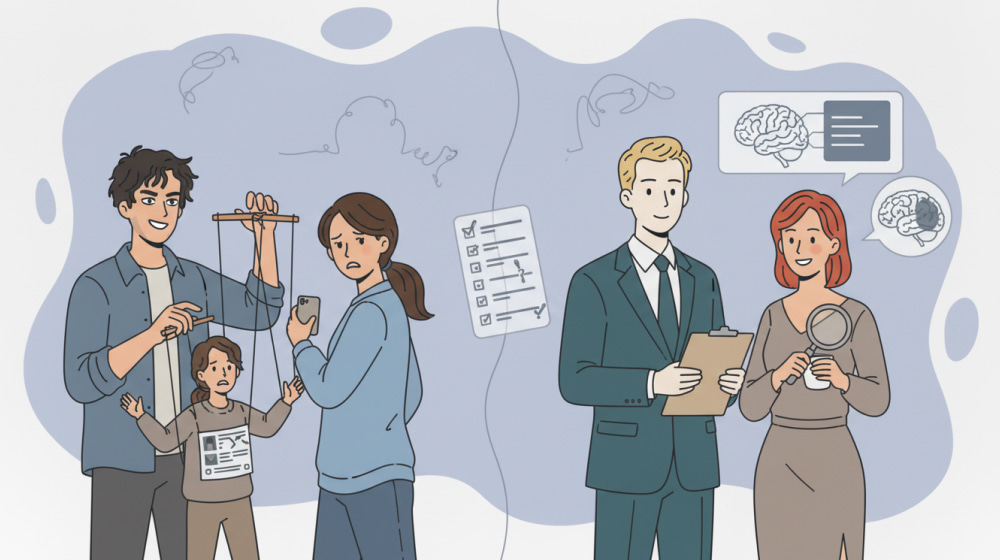
Another nuance is trait overlap across different personality frameworks, which can confuse interpretation. When grandiosity and low empathy co‑occur, people sometimes seek a narcissistic sociopath test to parse where traits overlap and where they diverge. Distinctions hinge on motivations, emotional reactivity, and social strategies, so a single score rarely captures the full picture. If results resonate strongly, consider consultation with a qualified clinician to explore history, risks, and strengths in depth. Some comparison tools are framed as a sociopath vs psychopath vs narcissist test, which is best used as a starting point for discussion rather than a diagnosis.
Practical Tips Before and After Taking a Self-Assessment
Preparation improves data quality, so take assessments when calm, rested, and sober. Answer for typical behavior across the past year rather than for a single charged moment, and consider inviting a trusted friend to provide perspective. If curiosity spikes during conflict, an am i a sociopath quiz might feel urgent, yet it is wiser to pause and consider timing, mood, and context first. The more intentional the process, the more meaningful the insights.
From Scores to Change
Sharing and discussing findings can accelerate growth when done respectfully and with consent. Before sharing results, remember that an are you sociopath quiz is a conversation starter, not a verdict to deploy in arguments. Focus on behaviors that repair trust, keeping promises, listening actively, and acknowledging impact, because trust is built in repeated moments. If you feel stuck, seek guidance from a trained professional who can tailor strategies to your history and goals.

Frequently Asked Questions
- Are online sociopathy assessments accurate?
Accuracy varies widely, and no single tool can diagnose a condition or capture your full complexity. Across consumer sites, a psychopath sociopath quiz varies widely in rigor, so prioritize instruments with transparent development notes and reliability data. Treat results as informative signals that deserve context, not as absolute truth.
- How should I use my score responsibly?
Use the score to identify specific habits to improve, such as interrupting impulsive decisions or practicing empathy in hard conversations. When exploring overlap with traits of narcissism or psychopathy, a psychopath sociopath narcissist test can be a springboard for broader reading rather than a diagnosis. The most helpful next step is building a small, repeatable plan and tracking progress over time.
- Can these tools help at work or in relationships?
They can illuminate patterns that undermine trust, like chronic rule-bending or disregard for boundaries. Turning insight into action, acknowledging impact, setting reminders, and seeking feedback, creates the conditions for healthier dynamics. Many people benefit from pairing assessment insights with coaching or therapy to sustain change.
- What warning signs suggest I should seek professional support?
Consider reaching out if you notice repeated aggression, legal trouble, severe deceit, or harm to others that you struggle to stop. Urgent risks, such as threats or violence, warrant immediate professional attention and safety planning. A clinician can differentiate situational reactions from entrenched patterns and suggest targeted interventions.
- How do I choose a trustworthy assessment?
Look for clear construct definitions, validation references, and balanced item design that minimizes bias. Avoid tools that promise dramatic labels or instant diagnoses, and verify privacy practices before sharing personal information. When in doubt, start with educational resources from reputable mental health organizations and consult a professional for tailored guidance.
The Latest News
-
![Understanding and Using a Psychopathy–Sociopathy Quiz Responsibly]()
- 24 December, 2025
-
![Understand Sociopath Quiz: A Comprehensive Guide to Self-Assessments]()
- 23 December, 2025
-
![Sociopathy Self-Assessment Guide: How Online Screeners Work and What They Reveal]()
- 22 December, 2025


Please Note
This website (sociopath-test.net) is not an official representative, creator or developer of this application, or product. All the copyrighted materials belong to their respective owners. All the content on this website is used for educational and informative purposes only.