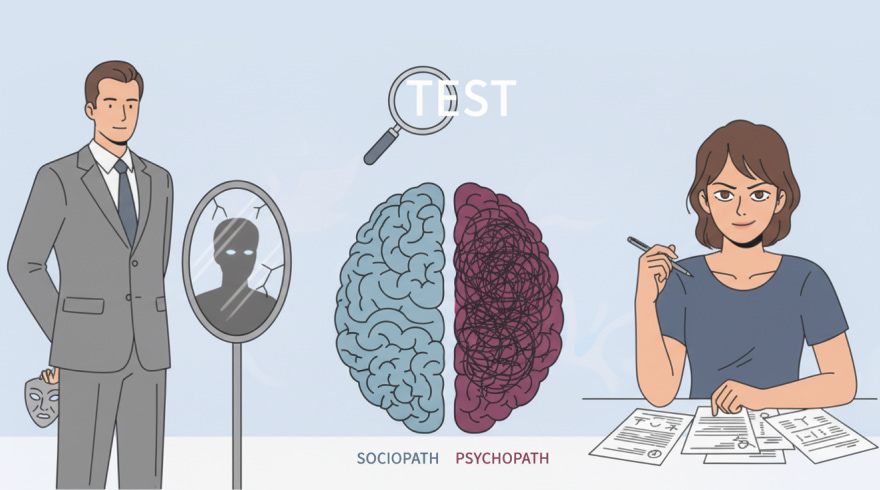
Understanding and Using a Psychopathy–Sociopathy Quiz Responsibly
- 24 December 2025
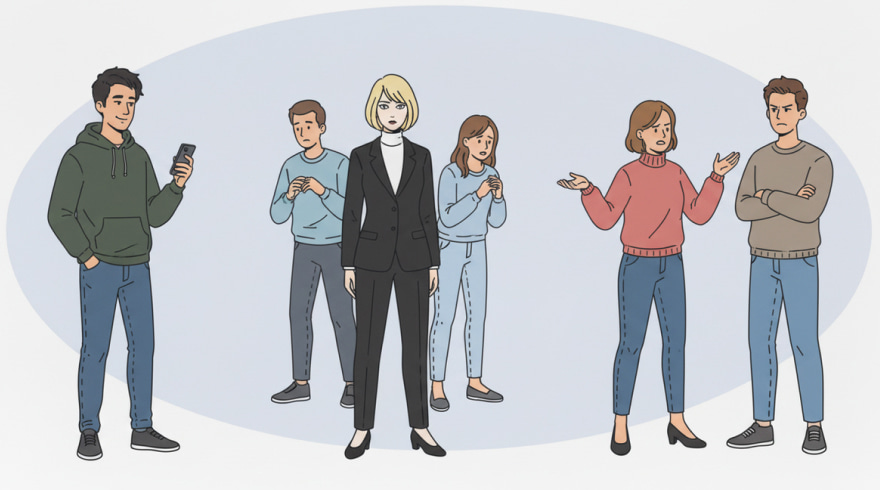
People are fascinated by the psychology of callousness, impulsivity, and empathy deficits, yet most want guidance that is clear, respectful, and practical. Quizzes designed around these traits can offer structured reflection, helping readers notice patterns while avoiding sensationalism. In this guide, you’ll learn how these screeners work, why they can be useful, and how to interpret results thoughtfully without slipping into self-stigmatizing labels or casual armchair diagnoses.
Many readers arrive curious about how traits manifest in everyday scenarios such as work conflict, boundary setting, or stress responses. In that spirit, a well-built self-check can organize hazy observations into concrete themes you can evaluate. Within that learning journey, some people explore a psychopath sociopath quiz to frame their reflections with a familiar reference point used in popular culture and clinical research alike. Even then, wise users treat such tools as conversation starters rather than verdicts, because personality traits live on spectrums and change across contexts. The goal isn’t a dramatic label; it’s a clearer map of habits, triggers, and values that guide better decisions.
Reliable screeners are transparent about their limits and their evidence base. They explain their item design, avoid pathologizing everyday assertiveness, and encourage follow-up with professionals when red-flag scores appear. As you evaluate options, remember that a concise questionnaire can prompt insight, while a longer inventory can illuminate nuance. For many, a helpful internal prompt is am I psychopath or sociopath quiz when they’re trying to translate uneasy hunches about their reactions into a more systematic self-audit they can revisit later.
How These Quizzes Work: Frameworks, Constructs, and Caution
Most questionnaires translate research-backed constructs, such as affective empathy, guilt proneness, impulsivity, and rule-breaking, into plain-language statements. You rate how often a statement feels true, and the instrument aggregates your pattern into subscale scores. A well-calibrated screener will differentiate between strategic assertiveness and exploitative manipulation, or between adventurous risk-taking and reckless disregard, so the resulting profile is more than a blunt label. When built carefully, these items help you examine cognitive styles, emotional regulation, and interpersonal boundaries in a structured way.
Some tools explicitly contrast related patterns to aid clarity. For instance, a format marketed as a psychopath vs sociopath test may juxtapose emotional detachment items with volatility items to show where your responses cluster compared with normative samples today. Complementary instruments that emphasize relational dynamics and rule adherence sometimes appear under names like a sociopath vs psychopath test, which can illuminate how stress, socialization, and context shape behavior over time. Regardless of naming, credible screeners publish scoring rationales, warn against self-diagnosis, and encourage readers to see results as provisional, not prescriptive.
Benefits of Taking a Responsible Quiz: Insight, Language, and Next Steps
Thoughtfully designed assessments deliver three core benefits: vocabulary, self-observation, and direction. First, they provide precise language for patterns that are otherwise difficult to articulate, terms like callous-unemotional traits, sensation seeking, or reactive aggression. Second, they encourage reflective practice by prompting you to recall specific moments and test your consistency across scenarios. Third, they highlight concrete areas for improvement, which might include impulse control training, empathy exercises, or boundary-setting skills. Used ethically, these insights support growth and reduce shame by normalizing that everyone has strengths and blind spots.
Interactive screeners such as a psychopath sociopath test can orient your attention toward risk factors that benefit from early intervention, including chronic deceit, thrill-based decision-making, or instrumental charm, while also acknowledging resilience factors. If you prefer a low-barrier entry point, a resource positioned as a sociopath vs psychopath test free can offer a first look at relevant dimensions without requiring payment, though it should still disclose development methods and encourage professional follow-up when scores warrant it. Ultimately, the biggest benefit is not a score; it’s the nudge toward actionable self-regulation strategies and healthier relationships.
Choosing the Right Instrument and Comparing Options
Picking the best quiz depends on your objective. If you want a broad overview, choose a concise screener that samples multiple domains for a quick snapshot. If you’re exploring patterns more deeply, select a longer inventory with subscales for affect, behavior, and interpersonal style. It also helps to confirm that the tool offers normative comparisons and clearly explains score ranges. Broader screeners described as a sociopath vs psychopath vs narcissist test aim to separate overlapping traits by contrasting empathy, entitlement, and impulse control within one experience so you can see a more holistic picture.
| Instrument Focus | Best For | Question Style | Typical Length | Key Caution |
|---|---|---|---|---|
| Brief Trait Snapshot | Quick self-checks and first-time users | Agree/Disagree statements | 5–10 minutes | Risk of oversimplifying nuanced patterns |
| Multi-Scale Profile | Deeper exploration with subscale feedback | Frequency ratings across scenarios | 15–25 minutes | Requires patience and careful interpretation |
| Comparative Cluster | Mapping overlaps across related traits | Contrastive items and situational vignettes | 20–30 minutes | May feel complex without guidance |
After skimming features, verify that any instrument clarifies its intended audience and limitations. Many readers appreciate side-by-side contrasts between cold affect, conscience development, and interpersonal dominance because those distinctions shape practical next steps. When a tool bundles multiple domains, a descriptor like psychopath sociopath narcissist test might indicate that the scoring report will parse similarities and differences across those constructs, offering richer context for reflection and follow-through.
Interpreting Results and Turning Insight Into Action
Scores are not destinies; they are hypotheses that need context. High marks on impulsivity might reflect sleep deprivation, substance use, or acute stress rather than fixed tendencies, while lower empathy scores may ebb during burnout. The most effective way to engage with a report is to convert it into experiments: adjust your routines, practice perspective-taking, and solicit feedback from trusted people about noticeable changes. Over time, you can compare your lived results to the profile and refine your understanding.
When self-reflection leans toward either-or framing, a phrase like am i sociopath or psychopath quiz can tempt binary conclusions, yet your responses are better viewed as patterns that move with environment and habits. If you do receive a concerning summary from an accessible tool such as a sociopath or psychopath quiz, treat that as an invitation to consult a clinician, pursue skills training, or engage in coaching, because professional input adds safeguards, nuance, and evidence-based strategies beyond what a brief questionnaire can deliver.
FAQ: Common Questions About These Quizzes
Are online quizzes valid enough to trust?
Some are carefully built with reference to peer-reviewed constructs, while others are entertainment-only. Look for clear scoring explanations, citations, and guidance on follow-up. A credible tool will state that it is not a diagnostic instrument and will encourage professional evaluation when scores raise concerns.
What should I do if my score looks high on risk traits?
First, pause and contextualize the result with recent stressors, health changes, or substance use. It can be productive to discuss patterns with a therapist who can differentiate traits from temporary states. For some readers, a phrase like am i a psychopath or sociopath quiz reflects curiosity that’s best channeled into structured support and targeted skills practice rather than self-labeling alone.
Can personality change with effort and time?
Traits show moderate stability, but regulation skills, empathy exercises, and value-driven habits can meaningfully shift behavior. People often improve impulse control and relational attunement through consistent practice, coaching, and feedback loops. Change is incremental, but it compounds.
How do I avoid misusing labels with friends or coworkers?
Use descriptive language about observable behaviors instead of clinical labels, and prioritize curiosity over judgment. When discussing self-assessments, share insights and goals rather than diagnoses. In casual conversation, a title such as sociopath psychopath quiz may appear catchy, yet it should never substitute for careful observation, consent, and compassion during interpersonal feedback.
What’s the best next step after completing a quiz?
Translate your report into a small set of experiments, like sleep optimization, mindfulness training, or boundary-setting scripts. Track outcomes for a few weeks, then reassess. If concerns persist, book an appointment with a mental health professional to obtain a fuller evaluation and personalized guidance.
- Keep notes on triggers and improvements to build self-awareness.
- Share select insights with a trusted friend for accountability.
- Revisit a similar instrument in 6–8 weeks to measure progress.
- Combine results with lifestyle changes for stronger effects.
Latest News
-
![Understand Sociopath Quiz: A Comprehensive Guide to Self-Assessments]()
- 23 December, 2025
-
![Sociopathy Self-Assessment Guide: How Online Screeners Work and What They Reveal]()
- 22 December, 2025
-
![Sociopath Self-Check Quizzes: A Clear, Helpful Guide to Online Screeners]()
- 19 December, 2025