Understand Sociopath Quiz: A Comprehensive Guide to Self-Assessments
- 23 December 2025
What These Quizzes Measure and Why They Matter
Online self-assessments can spark insight into patterns of empathy, impulse control, and conscience without claiming to diagnose anyone. When you encounter a thoughtfully designed sociopath quiz, treat it as a mirror for habits and attitudes rather than a verdict. The right mindset turns a brief questionnaire into a starting point for reflection, encouraging you to notice how you respond to conflict, boundaries, and social rules in everyday life. Self-awareness can be valuable long before you ever consider speaking with a mental health professional, and it can help you track personal growth over time.
Behind the scenes, reputable tools rely on behavioral indicators studied in personality research. As you compare different options, you may see formats labeled as a psychopath sociopath quiz, which usually means the items include traits that overlap across antisocial spectrums as well as those that diverge. Each prompt tries to gently probe real-world choices, such as whether you rationalize harm, prioritize short-term rewards, or overlook the feelings of others, without sensationalism. That balanced tone is important for a fair, stigma-free experience.
No single screener can capture the complexity of a person, and responsible designers say so upfront. You might find that an am I a sociopath quiz offers helpful language for patterns you’ve noticed, yet it cannot determine a clinical condition. Instead, good quizzes invite nuance, clarify limitations, and suggest constructive next steps if your results raise concerns. This approach empowers readers to treat results as data points, not destinies, and to combine insights with feedback from people who know them well.
How These Tools Work, Benefits, and a Quick Feature Comparison
Most screeners draw from validated constructs such as empathy deficits, callousness, deceit, impulsivity, and rule-breaking, then translate them into clear, everyday statements. If you’re browsing interactive checkups, one popular format is the are you sociopath quiz, which often aggregates responses into sub-scores so you can see which tendencies appear more or less pronounced. Transparent scoring helps you understand not just a single label, but a profile of traits that shows where to focus self-improvement. Clarity about what is being measured reduces confusion and sets realistic expectations.
| Dimension | What it explores | How to read it |
|---|---|---|
| Empathy and Remorse | Capacity to recognize and care about others’ feelings | Lower scores may signal distancing; look for patterns, not absolutes |
| Norms and Rules | Respect for agreements, laws, and social boundaries | Frequent dismissals can flag risk areas for trust and reliability |
| Impulsivity | Speed of acting without planning or considering consequences | High reactivity suggests practicing pause-and-plan strategies |
| Manipulation | Tendencies to exploit, deceive, or control others | Elevations warrant honest reflection and feedback from confidants |
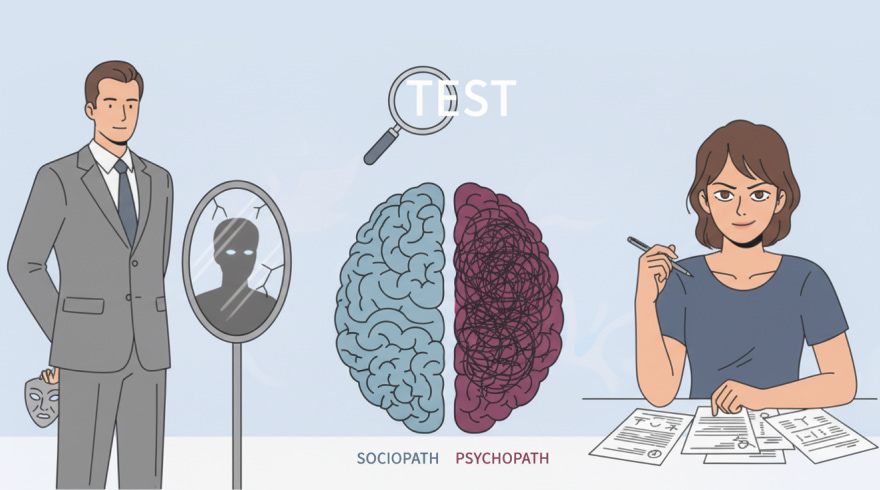
Quizzes vary in depth, tone, and guidance, but they should clearly explain data use, anonymity, and interpretation ranges. Some visitors seek tools that pit two constructs side by side, as with an am i sociopath or psychopath quiz, which typically contrasts affective coldness with impulsive boldness. Side-by-side comparisons can illuminate how overlapping traits show up differently in relationships, work, or stress. The best versions keep the language practical and nonjudgmental.
Beyond curiosity, there are pragmatic benefits: better communication, clearer boundaries, and targeted self-regulation exercises. People hoping for nuanced differentiation sometimes turn to an am i a psychopath or sociopath quiz, because it frames results in terms of tendencies rather than absolute types. That perspective encourages gradual habit change, such as practicing perspective-taking, limiting risky choices, and building accountability, while avoiding the trap of reductive labels. When combined with journaling or coaching, the learning curve can be significant.
Interpreting Results Responsibly and Planning Next Steps
Scores are only as meaningful as the honesty of your responses and the validity of the items. If you experimented with an am i psychopath or sociopath quiz, remember that item wording, cultural context, and your present mood can influence outcomes. Treat any high-signal result as a prompt to gather more information rather than a conclusion. Ask yourself how these tendencies show up across time, situations, and observers, and consider whether stress or sleep disruption might be exaggerating certain behaviors.
Thoughtful interpretation pairs reflection with action. For a quick reality check, some people try a comparative tool like a sociopath or psychopath quiz, then discuss the patterns with a trusted friend to counter blind spots. Complement results by tracking real scenarios, conflicts, negotiations, and moments of temptation, and note what you felt, thought, and did. If persistent concerns arise, consult a licensed clinician who can evaluate the full picture using interviews and standardized instruments. Responsible next steps emphasize growth, boundaries, and accountability.
- Jot down recent situations where empathy felt difficult and plan small repair behaviors.
- Limit high-risk contexts that trigger impulsive choices and create friction.
- Practice perspective-taking by summarizing another person’s view before responding.
- Set measurable goals, like delaying big decisions by 24 hours to reduce reactivity.
Privacy, Ethics, and Choosing a High-Quality Assessment
Not all questionnaires are created equal, and privacy practices vary widely. If you encounter a compact screener marketed as a sociopath psychopath quiz, verify that scores are explained in plain language and that any data collection is optional and transparent. Credible tools avoid sensational claims, include disclaimers about limitations, and encourage professional follow-up when warranted. Ethics also means avoiding labels for other people and focusing on your own behavior changes first.
Before you click “start,” scan for authorship, references, and contact details so you know who built the content and why. Many readers prefer a comparative format such as an are you a sociopath or psychopath quiz, yet they still check for evidence-informed design and unbiased item phrasing. A trustworthy site will outline how it handles cookies, analytics, and anonymized storage, and it will make opting out easy. Quality, not sensation, should guide your choice.
- Look for item clarity, neutral wording, and balanced answer scales.
- Seek transparent scoring rubrics and examples of how to interpret ranges.
- Confirm privacy: no automatic account creation or hidden data sharing.
- Prefer tools that recommend constructive next steps over alarming labels.
FAQ: Quick Answers About Online Antisocial-Traits Quizzes
Can an online quiz diagnose a disorder?
No. These tools are educational screeners that highlight tendencies and patterns, not medical evaluations. Only a qualified professional can diagnose using interviews, history, and standardized measures.
Should I use a quiz to evaluate someone I’m dating or managing at work?
It’s risky and often unfair to label another person based on an online checklist. If you feel tempted to try something like an is he a sociopath quiz, consider focusing on specific behaviors, boundaries, and safety plans instead of applying a diagnostic label.
What if my score seems high, what should I do next?
Treat the result as a nudge to gather more context and to reflect with honesty. Practical steps include journaling situations, seeking feedback from trusted people, and consulting a licensed clinician if concerns persist.
How do I compare overlapping but distinct traits?
Some tools offer side-by-side contrasts to illustrate similarities and differences. If you explore a sociopath vs psychopath quiz, focus on how the descriptive patterns relate to real behaviors you can observe and change.
Are these quizzes safe for my data and privacy?
That depends on the site’s policies and transparency. Look for explicit statements about data storage, analytics, and the option to use the tool without sharing identifiable information.
Latest News
-
![Understanding and Using a Psychopathy–Sociopathy Quiz Responsibly]()
- 24 December, 2025
-
![Sociopathy Self-Assessment Guide: How Online Screeners Work and What They Reveal]()
- 22 December, 2025
-
![Sociopath Self-Check Quizzes: A Clear, Helpful Guide to Online Screeners]()
- 19 December, 2025