Free Sociopath Test: A Comprehensive Guide to Online Self-Assessments
- 18 December 2025
What These Labels Mean and Why Tests Exist
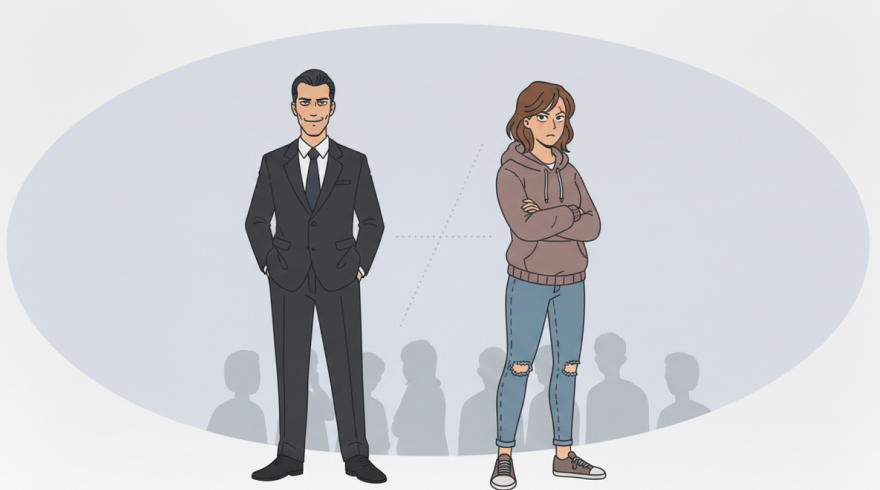
Public curiosity about sociopathy and psychopathy often stems from crime dramas, true‑crime podcasts, and high‑stakes leadership studies. Behind the pop‑culture surface, researchers study overlapping patterns tied to antisocial behavior, shallow affect, low empathy, and impulsive rule‑breaking. Clinically, practitioners rely on structured interviews, life‑history data, and validated scales to evaluate traits on a spectrum rather than issuing casual labels. The term “psychopathy” is typically operationalized in research using instruments such as the PCL‑R, while “sociopathy” is discussed more colloquially, often overlapping with antisocial personality disorder criteria in diagnostic manuals. None of these constructs should be reduced to a single online quiz result, and none can substitute for professional evaluation.
Self‑assessments circulate online because they help people reflect, learn vocabulary for internal experiences, and recognize behavior patterns in relationships, work, and conflict. For some, a brief questionnaire offers a neutral starting point for introspection without disclosing anything to a clinician or friend. Many people appreciate the low barrier of entry and the chance to revisit scores after a period of personal change or therapy. In that spirit, some readers explore a sociopath vs psychopath test free as a low‑friction way to consider tendencies alongside educational explanations. Thoughtfully designed tools can prompt a user to slow down, notice emotional cues, and compare situational responses, which can be valuable when paired with reliable psychoeducation and clear disclaimers about limitations.
Good resources demystify jargon by unpacking terms such as callous‑unemotional traits, manipulative interpersonal style, sensation‑seeking, and moral disengagement. When carefully framed, they also discuss protective factors like secure attachment, pro‑social modeling, and skills that buffer impulsivity. Context is essential because traits vary by environment, stress, and learning history. Even if an online questionnaire highlights concerning patterns, it should encourage next steps grounded in evidence, like stress‑reduction strategies, communication training, and, when appropriate, a referral to licensed mental health professionals for thorough assessment.
How Online Self‑Assessments Work and What They Measure
Most reputable questionnaires use Likert‑style items (for example, “strongly agree” to “strongly disagree”) to capture stable tendencies and situational reactions. Items probe domains such as empathy, remorse, deception, risk tolerance, and emotional regulation. Well‑constructed quizzes balance direct statements with reverse‑scored prompts to reduce response bias, and they include clear instructions about answering based on typical behavior, not exceptional days. Scores are commonly presented as domain snapshots with cautious interpretive text rather than as absolute labels. The best experiences supplement results with reading lists, coping skills, and guidance about when to seek professional input.
| Dimension | Example Prompt | High Score May Indicate | Important Caveat |
|---|---|---|---|
| Interpersonal style | I can charm others to get what I want. | Strategic social presentation or manipulativeness | Social confidence can mimic this without harmful intent |
| Affective traits | I rarely feel guilty after hurting someone. | Lower empathy or blunted remorse | Trauma responses can also numb emotions temporarily |
| Lifestyle/behavior | I act on impulse without thinking ahead. | Impulsivity and risk‑taking | ADHD or sleep loss can elevate impulsivity without malign traits |
| Antisocial history | I have ignored laws or rules repeatedly. | Rule‑violations and disregard for norms | Context matters; one‑off events don’t define a pattern |
Behind the scenes, raw scores are sometimes normalized against a reference sample, which helps illustrate whether a result is common or relatively elevated. Transparency about item sources, authorship, and validation improves trust, as does publishing reliability estimates and links to peer‑reviewed literature. Clear privacy practices, such as local scoring without account creation and straightforward data deletion policies, are equally important for user safety and confidence.
Some sites label their screening as a free sociopath test, and that phrasing simply signals open access rather than implying diagnostic precision. Look for tools that disclose who created the items, why certain domains were selected, and how feedback is generated. Avoid quizzes that sensationalize or stigmatize; educational tone and respectful language are signs of a more thoughtful approach. Credible platforms also caution against using results to judge others, emphasizing consent, boundaries, and ethical considerations when discussing sensitive personality information.
Benefits, Limitations, and Responsible Use
When used thoughtfully, a brief self‑assessment can catalyze personal insight. Users may notice patterns such as chronic boredom, hot‑and‑cold relationships, or a tendency to rationalize hurtful actions. Seeing these behaviors grouped under clear domains helps people connect dots and experiment with targeted strategies, mindfulness for reactivity, values clarification for decision‑making, and compassion exercises to strengthen empathic awareness. For partners and friends, educational materials that accompany results can foster safer conversations focused on behaviors and boundaries rather than labels.
However, limitations are substantial. Online quizzes cannot evaluate developmental history, co‑occurring conditions, substance use, head injury, or contextual stressors, all of which shape behavior. Self‑report bias, impression management, and misunderstanding items can skew scores, making results noisy and prone to misinterpretation. Sensational naming may also reinforce stereotypes that conflate criminality with complex personality traits, which is both inaccurate and stigmatizing. Responsible tools position scores as prompts for reflection, not verdicts, and they articulate red‑flag scenarios, such as escalation of violence or self‑harm, in which immediate professional help is warranted.
- Use results as a conversation starter about habits and coping styles.
- Seek corroborating perspectives from trusted peers or mentors when appropriate.
- Pair insights with practical steps like impulse‑control strategies and empathy training.
- Avoid diagnosing others; consent and safety should guide any discussion.
- Consult licensed clinicians for comprehensive assessment and tailored care.
Step‑by‑Step Tips for Taking and Interpreting Results
Set aside quiet time and answer based on your typical behavior over the last year, not on your best or worst day. Read every item carefully, watch out for reverse‑worded statements, and resist the urge to manage impressions. After receiving scores, jot down two or three real‑world situations that illustrate each domain, both successes and struggles. Translate those observations into small experiments, like delaying decisions by ten minutes to reduce reactivity or practicing active listening in low‑stakes conversations. Re‑take the same measure after four to six weeks if the author recommends it, and compare patterns rather than fixating on single numbers.
If curiosity leads you to try a sociopath free test, consider taking it in a calm setting and reflect afterward on the nuances behind each elevated domain. Keep a journal noting triggers, body sensations, and consequences of key choices, then pair that log with coaching or therapy skills you’re learning. Bring compassion to the process, recognizing that traits shift with context, stress, and practice. Share only what feels safe, and avoid posting raw scores on social media where nuance is easily lost and stigma spreads.
- Before starting: define your goal, self‑knowledge, communication, or seeking help.
- During the quiz: answer quickly but honestly, using your average tendencies.
- After the quiz: translate insights into one concrete behavior to test this week.
- Track progress: repeat the same tool sparingly to avoid score‑chasing.
- Seek balance: combine self‑assessments with feedback from real‑life outcomes.
Ethics, Privacy, and Choosing Safer Tools
Because personality content is sensitive, ethics and privacy deserve center stage. Favor assessments that minimize data collection, offer guest mode, and clearly state that responses are not sold or used for profiling. Look for export options so you can keep a private copy, and check whether deletion is immediate and permanent. Ethical creators avoid fear‑mongering and respect the dignity of users by framing results as tendencies, not character judgments. They also include accessibility features, such as high‑contrast design, screen‑reader compatibility, and plain‑language summaries for people new to psychological terminology.
Transparency signals quality. Reputable sites name authors and credentials, link to source literature, and explain scoring logic in approachable language. They distinguish educational screening from clinical assessment, encourage critical thinking, and provide resources for crisis support where relevant. If an assessment encourages diagnosing coworkers, partners, or family members, steer clear; labeling others without consent can harm relationships and contravene ethical guidelines. A safer path is to focus on your own choices, setting boundaries, seeking counseling, and building skills that align with your values and responsibilities.
- Check authorship, references, and stated purpose before you begin.
- Prefer tools that keep data local or offer clear deletion policies.
- Avoid platforms that sensationalize results or assign derogatory labels.
- Use insights to improve communication, not to pathologize people in your life.
- Reach out to licensed professionals for personalized guidance when needed.
FAQ: Practical Answers for Curious Test‑takers
Can an online quiz diagnose sociopathy or psychopathy?
No. Online quizzes are educational screeners that highlight patterns and offer vocabulary for reflection. Only trained clinicians, using interviews, history, and validated instruments, can conduct a comprehensive assessment and provide a formal diagnosis when appropriate.
What’s the difference between sociopathy and psychopathy in everyday use?
Psychopathy is often defined in research terms emphasizing callous‑unemotional traits, manipulative style, and antisocial behaviors, while sociopathy is a popular term that overlaps with antisocial personality features and environmental influences. Both are best viewed as spectra of traits rather than rigid categories.
How accurate are self‑assessments found online?
Accuracy varies widely. Better tools disclose item sources, reliability, and validation data, and they present results as domain summaries with context. Even strong tools are limited by self‑report bias, mood at the moment, and lack of collateral information, so use results as a starting point, not a conclusion.
What should I do if my scores seem high or worrying?
Take a breath, write down concrete examples behind the items, and consider consulting a licensed mental health professional. High scores point to areas worth exploring, and a clinician can help differentiate between overlapping issues such as trauma responses, ADHD, mood disorders, or stress‑related reactions.
Is it safe to share my results with friends or online?
Share selectively and with context. Personality data can be misunderstood, so frame results as tendencies and discuss what you’re working on rather than labels. Protect your privacy by avoiding platforms that store data indefinitely, and prioritize conversations that emphasize consent, boundaries, and growth.
By approaching self‑assessments with curiosity, caution, and respect, you can gain useful insights while steering clear of sensationalism. When coupled with evidence‑based resources and, if needed, professional support, these tools can serve as stepping stones toward better self‑understanding and healthier relationships.
Latest News
-
![Understanding and Using a Psychopathy–Sociopathy Quiz Responsibly]()
- 24 December, 2025
-
![Understand Sociopath Quiz: A Comprehensive Guide to Self-Assessments]()
- 23 December, 2025
-
![Sociopathy Self-Assessment Guide: How Online Screeners Work and What They Reveal]()
- 22 December, 2025