Sociopath Self-Check Quizzes: A Clear, Helpful Guide to Online Screeners
- 19 December 2025
What Online Sociopathy Quizzes Are, and What They Are Not
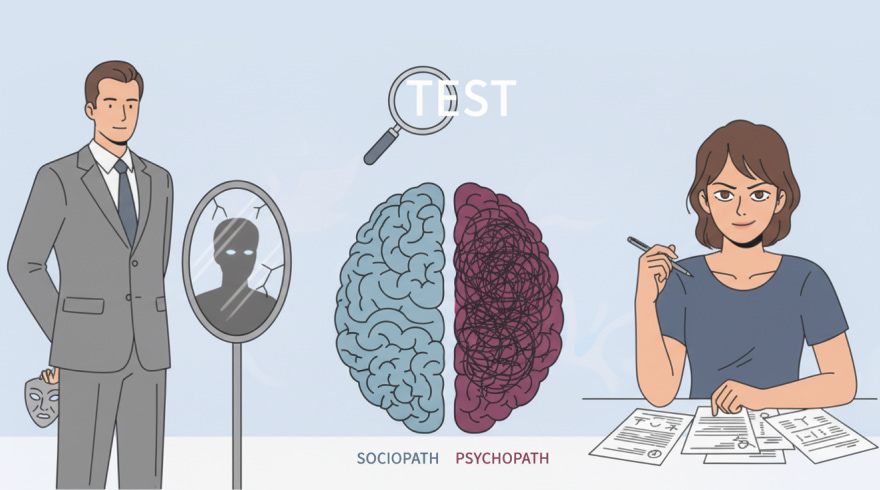
Curiosity about dark personality traits has soared alongside the rise of easy, instant assessments. People want quick clarity on empathy, remorse, manipulation, and impulsivity, and a short questionnaire feels like a low‑stakes on‑ramp. These screeners can spotlight patterns worth reflecting on, and they often deliver a sense of structure when inner experiences feel confusing. Still, it’s vital to remember that a brief online exercise, while informative, is not a substitute for professional evaluation, nor is it designed to assign a clinical label.
Many readers arrive with a mix of apprehension and intrigue, hoping to decode behavior that strains relationships or workplace dynamics. In that moment, the am i a sociopath quiz label you see on websites typically points to a learning tool intended to raise awareness rather than issue diagnoses. By design, these instruments gauge tendencies like callousness, deception, and rule‑breaking alongside factors such as anxiety control and foresight. With mindful interpretation, they can open conversations, highlight blind spots, and encourage healthy boundaries, all without pigeonholing you into a rigid identity.
- Screeners illuminate tendencies, not destinies.
- High or low scores can be context‑dependent and situational.
- Results are most useful when paired with real‑world feedback.
- Self‑reflection works best alongside compassion and curiosity.
How These Screeners Estimate Traits
Most reputable questionnaires rely on patterns from established psychological research. Items target interpersonal warmth, emotional depth, risk appetite, rule compliance, and responsibility for harm, then assemble scores into thematic clusters. Good tools avoid sensationalism, use clear language, and offer practical next steps that emphasize self‑care and ongoing learning rather than stigmatizing labels.
The mechanics are straightforward: statements appear on a Likert scale, totals are computed, and results are explained with plain guidance. Across popular platforms, a typical am i sociopath or psychopath quiz blends questions about empathy, guilt, impulsivity, and manipulation to estimate a general profile. As with any self‑report, honesty and a calm environment improve accuracy, while distractions and mood swings can skew responses in subtle ways that matter.
| Feature | What to look for | Why it matters |
|---|---|---|
| Purpose | Education and self‑reflection | Prevents confusing screening with diagnosis |
| Domains | Empathy, remorse, impulsivity, rule‑breaking | Covers the core traits associated with antisocial patterns |
| Length | 10–40 items | Balances depth with attention span |
| Clarity | Plain, non‑stigmatizing language | Supports thoughtful, non‑defensive answers |
| Guidance | Context, resources, next steps | Encourages growth and responsible follow‑up |
- Look for transparent scoring and definitions of each subscale.
- Prefer tools that explain limitations upfront.
- Avoid quizzes that sensationalize or use shaming language.
Benefits and Limitations You Should Know
Short online instruments can act like mirrors, offering a structured snapshot of interpersonal style, conflict patterns, and moral reasoning. When results are framed as tendencies, they nudge us toward empathy‑building skills, emotional literacy, and healthier boundaries. Many users report insights about stress triggers, communication style, and the difference between assertiveness and aggression, especially when discussing findings with trusted friends or mentors.
Curiosity thrives when exploration feels safe and nonjudgmental. For many readers, an am i a psychopath or sociopath quiz functions best as a starting point for reflection rather than a conclusive verdict. Limitations include social desirability bias, mood‑dependent responses, and cultural context that shapes how traits show up. Scores may fluctuate with sleep, stress, or recent conflicts, and real‑life behavior always carries more weight than a single self‑report. Used wisely, these tools encourage growth while keeping stigma and fatalism at bay.
- Benefit: fast, private, low‑pressure insight.
- Benefit: vocabulary for discussing difficult patterns.
- Limitation: not designed to diagnose any condition.
- Limitation: vulnerable to biased self‑presentation.
Reading Your Score with Nuance and Care
Numbers can feel definitive, but interpretation requires context. A moderately elevated score on callous‑unemotional items might reflect temporary burnout, while high impulsivity could relate to sleep debt or untreated anxiety. Comparing subscales over time, journaling, and seeking balanced feedback can turn a static snapshot into a practical growth plan that respects your complexity.
If a result feels alarming or strangely validating, step back and reconnect with broader patterns across months and relationships. If your score feels extreme, an am i psychopath or sociopath quiz outcome should be treated as a conversation starter, not a clinical label. Consider consulting a licensed professional for individualized guidance, especially if you’re coping with persistent conflict, risky behavior, or distress. Compassionate curiosity, rather than self‑blame, keeps the process constructive and future‑focused.
- Track trends; don’t fixate on a single number.
- Invite respectful feedback from people who know you well.
- Prioritize behaviors that align with your values and goals.
Pro Tips to Get More Accurate, Useful Results
Environment, mindset, and honesty shape the quality of any self‑assessment. You’ll get clearer insight by taking a quiz when rested, undistracted, and emotionally steady, and by answering according to typical behavior rather than rare exceptions. Rushing or multitasking often leads to inconsistent responses that distort scores in subtle but meaningful ways.
Practical steps make a difference, especially when you want clarity rather than drama. Before starting, any am i sociopath or psychopath test benefits from a quiet space, reflective breathing, and a commitment to candid answers rooted in recent, real examples. Consider repeating the questionnaire after a few weeks to see whether patterns persist, shift with stress, or improve as you practice empathy skills, conflict repair, and impulse regulation routines.
- Silence notifications and set a brief timer to focus.
- Answer for the last six months, not a single hard week.
- Pause if you feel flooded; return when calmer.
- Save notes on situations that influenced your choices.
Ethics, Privacy, and Next Steps for Support
Responsible platforms handle sensitive topics with care, normalize seeking help, and avoid sensational claims. Look for clear privacy policies, data minimization, and optional anonymity. If a result raises concerns, compassionate next steps can include skills‑based learning, peer support, or therapy focused on communication, emotion regulation, and prosocial decision‑making.
Language shapes how we feel about ourselves and others, especially when labels are involved. While exploring identity questions, the phrase am i psychopath or sociopath can amplify anxiety if framed as a yes/no verdict, so it helps to emphasize behavior change and relationship repair over fixed categories. When safety is a concern, your own or someone else’s, reach out to local crisis lines or emergency services, and prioritize immediate support. Growth thrives where honesty meets care, and where dignity and boundaries are respected.
- Choose platforms that de‑stigmatize and educate.
- Keep your data private; avoid sharing scores publicly.
- Seek professional guidance for persistent, harmful patterns.
FAQ: Quick Answers to Common Questions
Can an online quiz diagnose a personality disorder?
No, it cannot, and reputable tools state this clearly. These questionnaires are educational screeners meant to spark reflection, and they are not clinical evaluations, which require interviews, history, collateral input, and professional judgment.
Why do results vary from day to day?
Scores shift with stress, sleep, mood, and context. You might answer more harshly after a conflict, or more generously after a restful weekend, so repeating the same tool weeks apart often gives a more stable picture.
What should I do if my score is very high?
Begin by slowing down and gathering context from multiple sources, including trusted people who know you well. If concerns persist, consult a licensed clinician who can offer individualized guidance and strategies aligned with your goals.
Are these quizzes safe for teenagers?
They can be educational when framed carefully and discussed with a guardian or counselor. Gentle, non‑stigmatizing language and clear guidance about limitations are essential to prevent misinterpretation or unnecessary alarm.
How can I use results to improve my relationships?
Translate insights into small, concrete habits like active listening, repairing after mistakes, practicing empathy, and setting clear, respectful boundaries. Tracking progress over time helps convert reflection into meaningful change.
Latest News
-
![Understanding and Using a Psychopathy–Sociopathy Quiz Responsibly]()
- 24 December, 2025
-
![Understand Sociopath Quiz: A Comprehensive Guide to Self-Assessments]()
- 23 December, 2025
-
![Sociopathy Self-Assessment Guide: How Online Screeners Work and What They Reveal]()
- 22 December, 2025